house is a body, body is a home
Hošek Contemporary Gallery, Berlin
May 22-31, 2026
house is a body, body is a home is a transdisciplinary exhibition of sculpture, film, performance, sound, and a publication that situates itself inside processes of decay. Emerging from encounters with abandoned houses in rural Japan, the works gather ash, clay, discarded objects, and the human body into quiet constellations that hospice erosion.
Here, decomposition and weathering are co-authors.
Matter listens, remembers, and becomes otherwise.

May 22-31
Artists: Helen Hines & Natascha Schoenaich
With sound contributions and performances by Vicente Yáñez, Damián Noguera, and Maria Ferrer
In collaboration with the Living Somatic residency, founded by Mikis Tapaswi
Hošek Contemporary Gallery
Open daily 14:00 - 20:00
Opening Vernissage: Friday, May 22, 18:00-22:00 pm with lives performance at 19:00 by Maria Ferrer with Damián Noguera, followed by Vicente Yáñez
Artist talk: Wednesday, May 27, 19:00
Helen Hines & Natascha Schoenaich,
with Anna Andrejew & Brandon Labelle
Closing Finissage: May 31, 14:00-18:00 with a live performance at 16:00 by Maria Ferrer
house is a body, body is a home is a transdisciplinary exhibition conceived, curated, and produced by Helen Hines, in collaboration with Natascha Schoenaich, Maria Ferrer, Vicente Yáñez, and Damián Noguera. Through film, photography, sculpture, sound, and performance, the exhibition explores memory, decay, and more-than-human relations as shared ecological processes. The nine-day program includes live performances, and an artist talk.
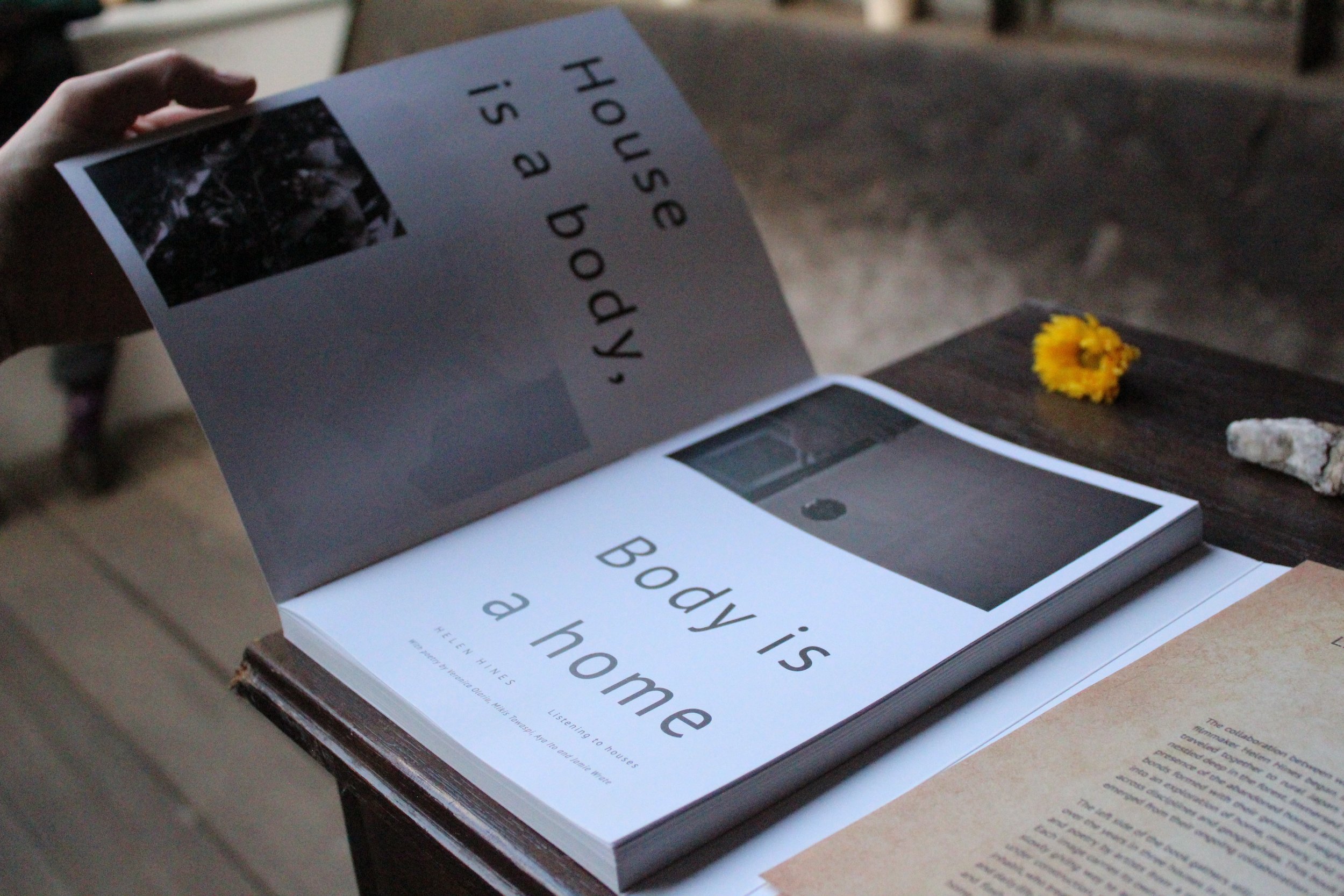
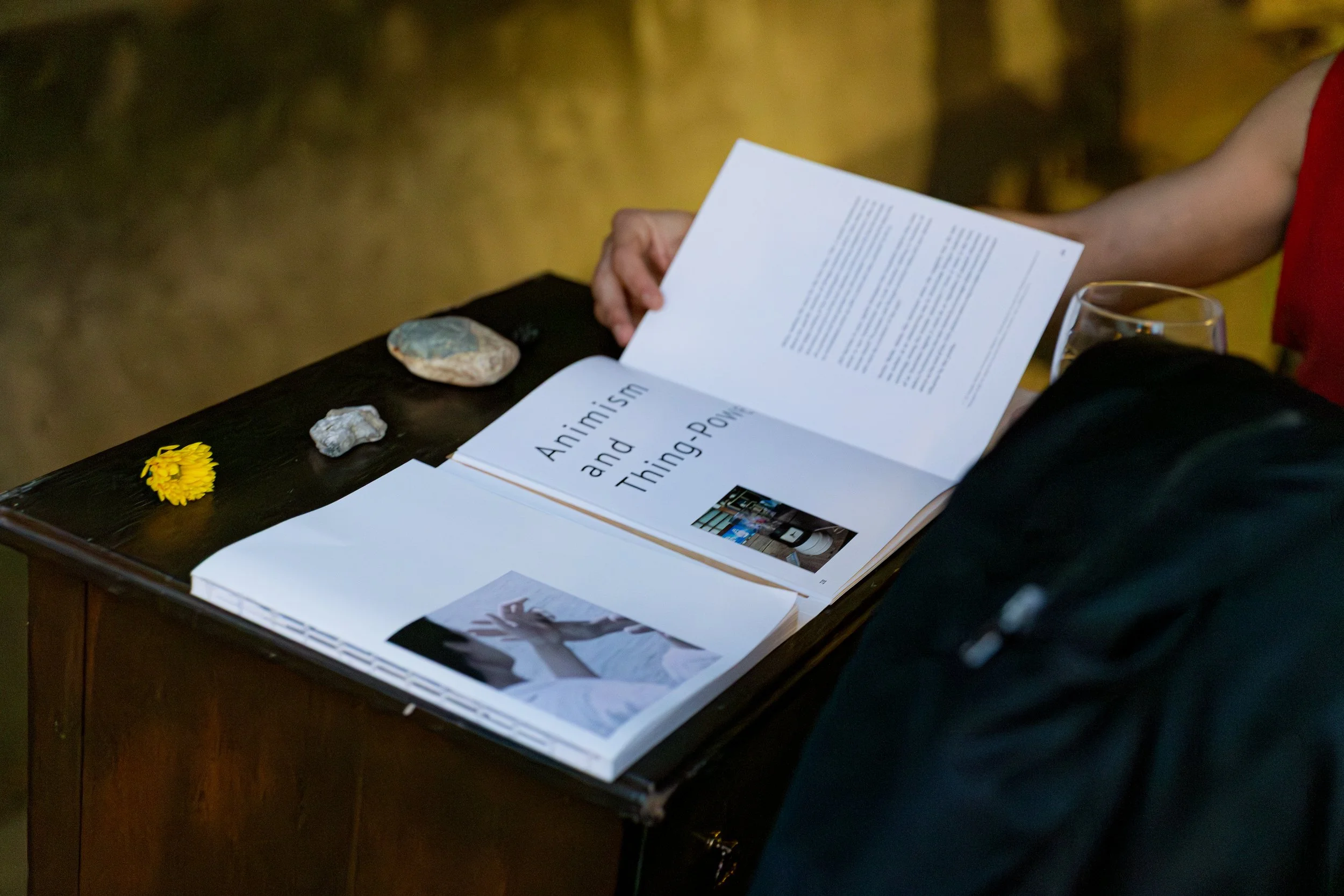
The collaboration between Hines and Schoenaich began with shared visits to the mountains of Kumano, Japan, where encounters with abandoned houses (akiya), neighbors, and the landscape sparked an artistic inquiry into home, loss, and material transformation. Their joint publication Listening to Houses accompanies the exhibition, weaving film stills with texts that situate the work within new materialist and eco-somatic thought.
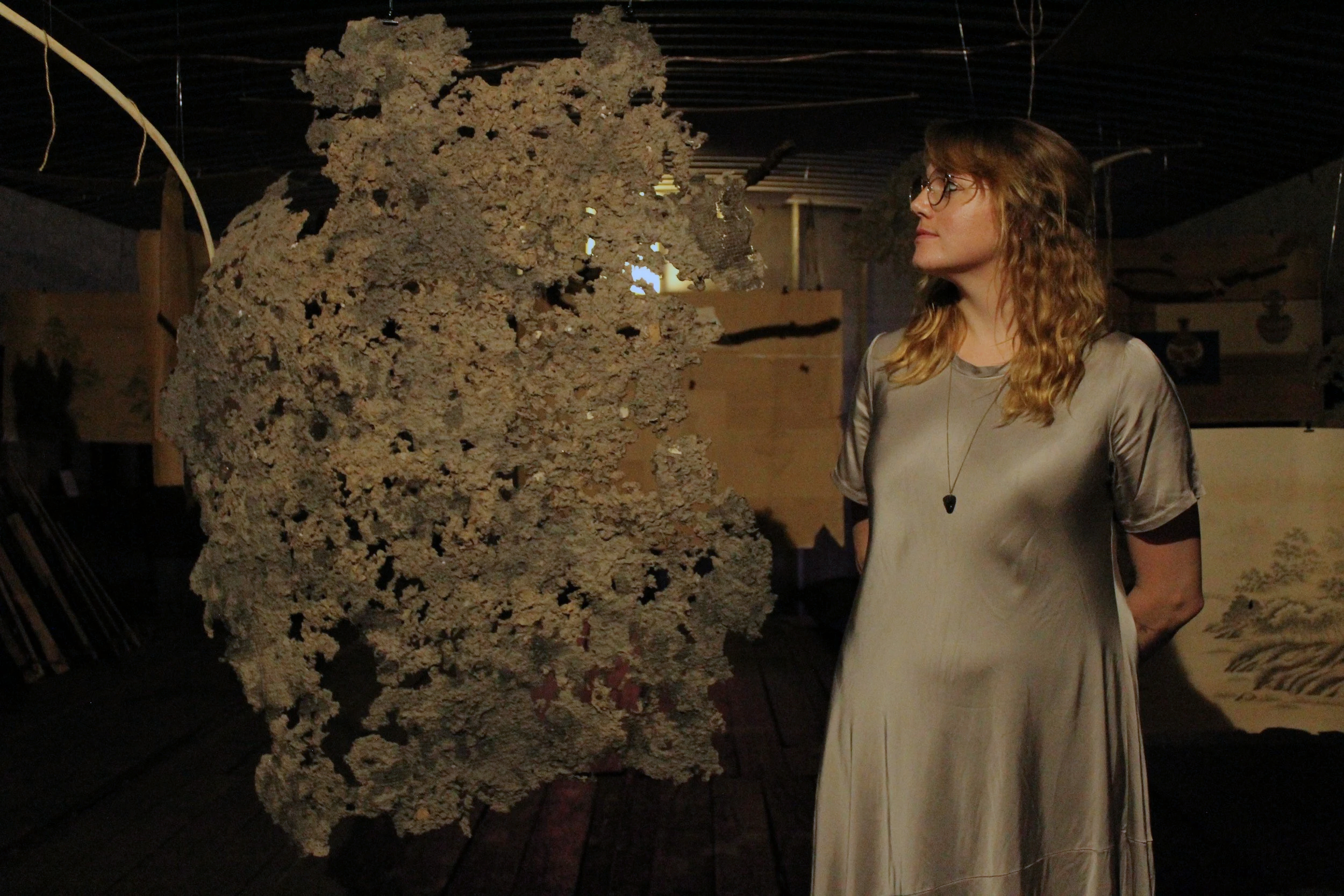
Visitors encounter sculptural assemblages made from ash, dust, clay, paper, textiles, and everyday objects — materials that ferment, decay, and become otherwise. Hines presents a series of films, alongside sculptural reliquaries. Schoenaich contributes photographs and textile works. A sound installation by Yáñez and Hines transmits live wind data from Japan, collapsing distance into shared elemental exchange. Ferrer, Noguera, and Yáñez activate the space through performances at the opening and closing events.

we left the windows openHelen Hines & Vicente Yáñez
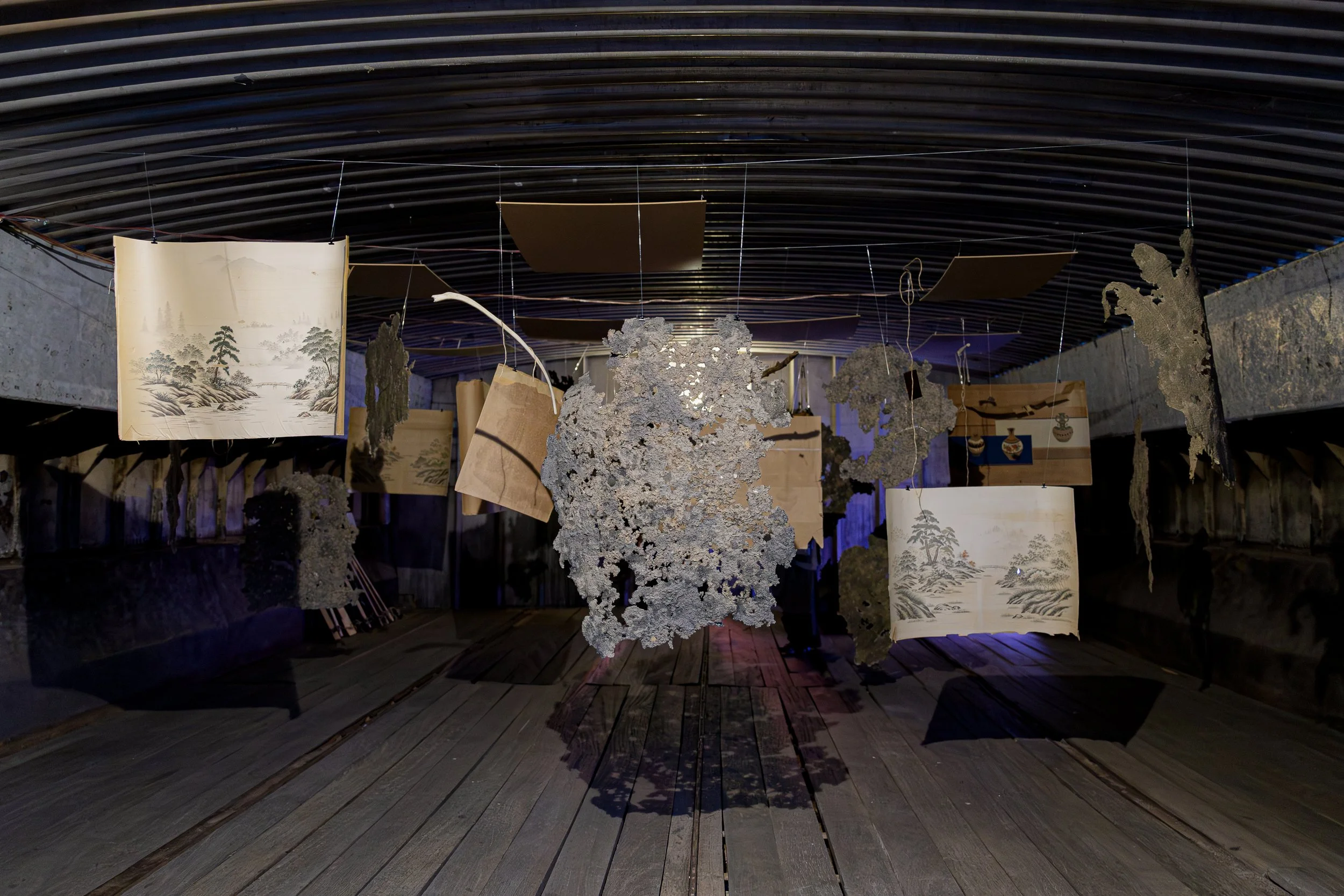
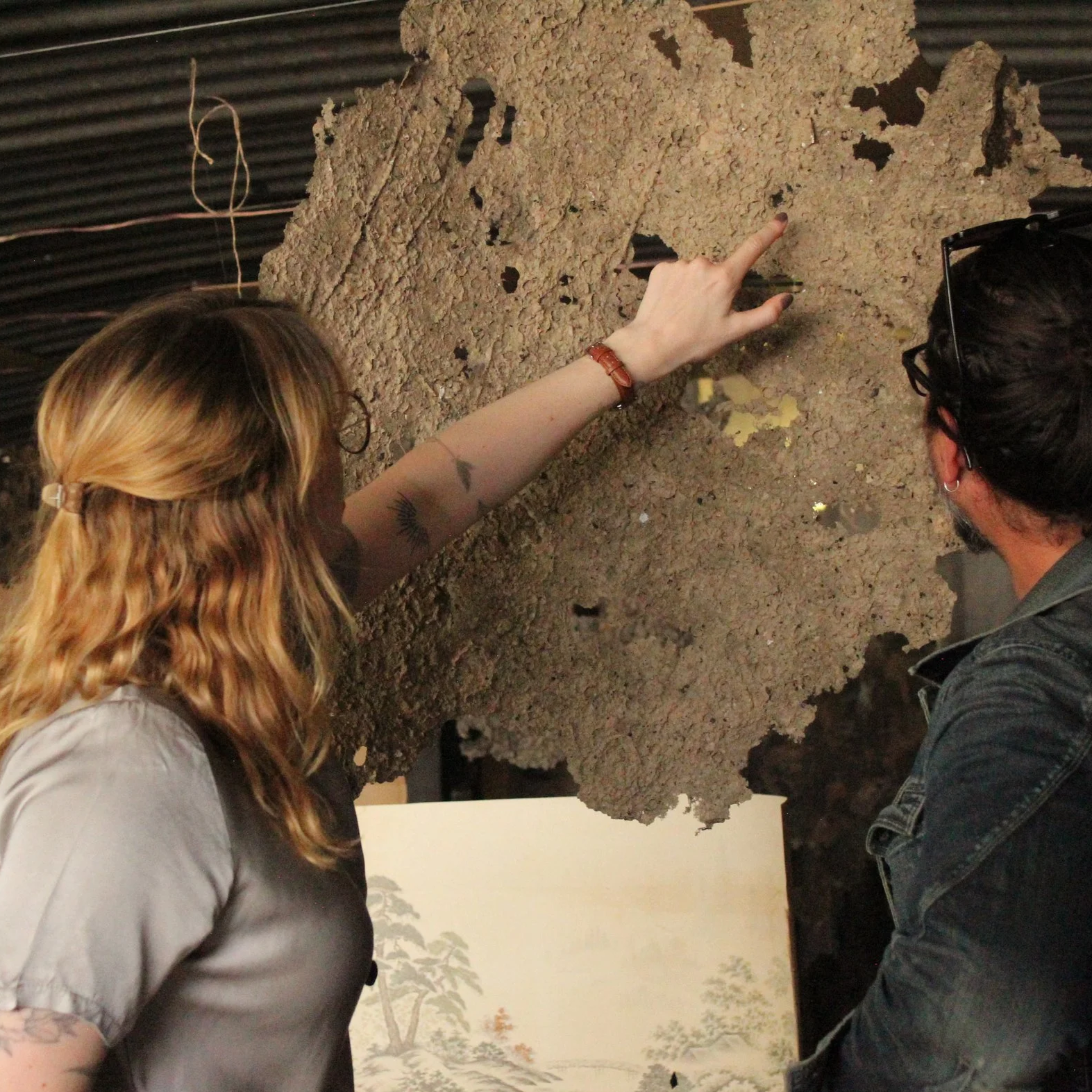
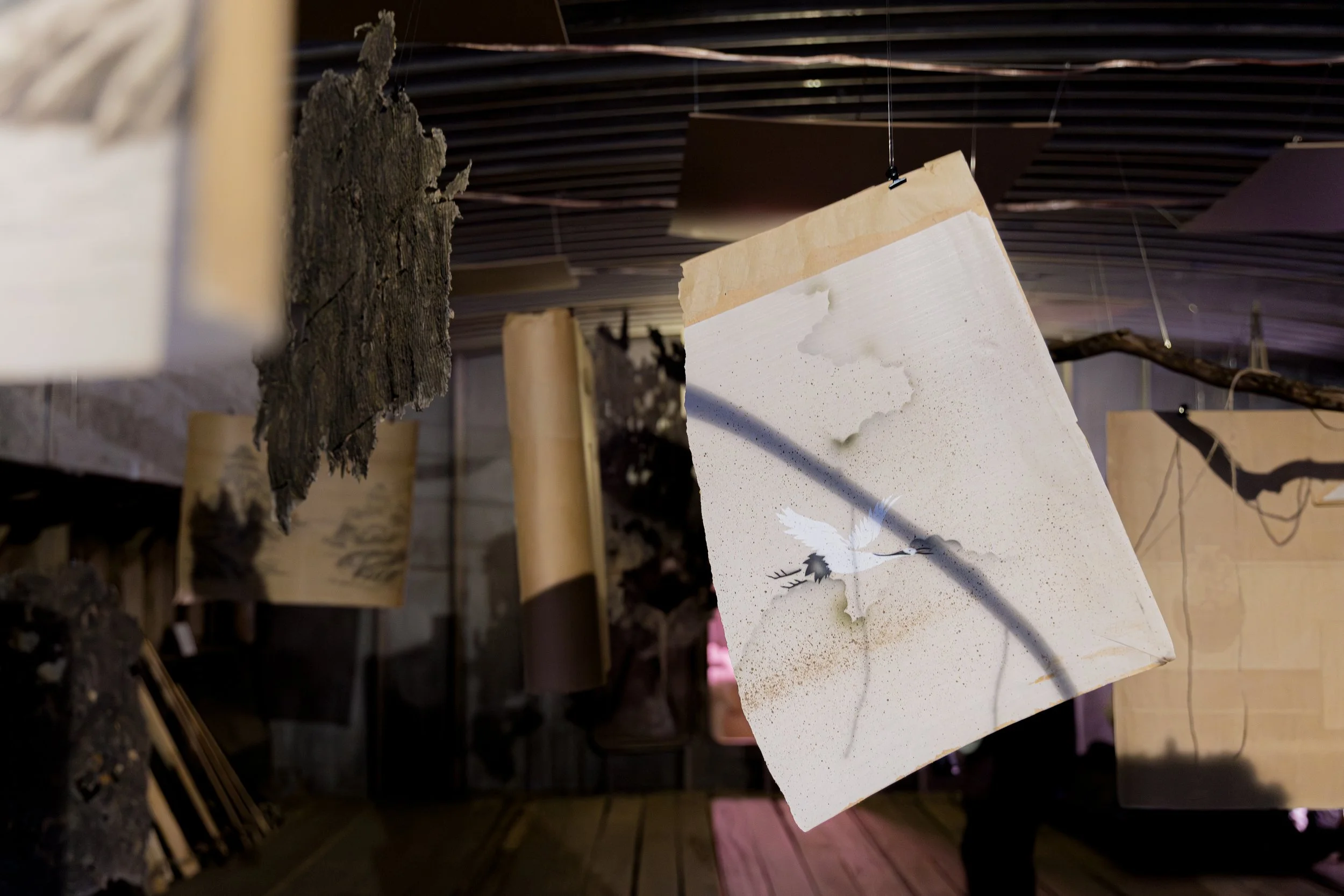
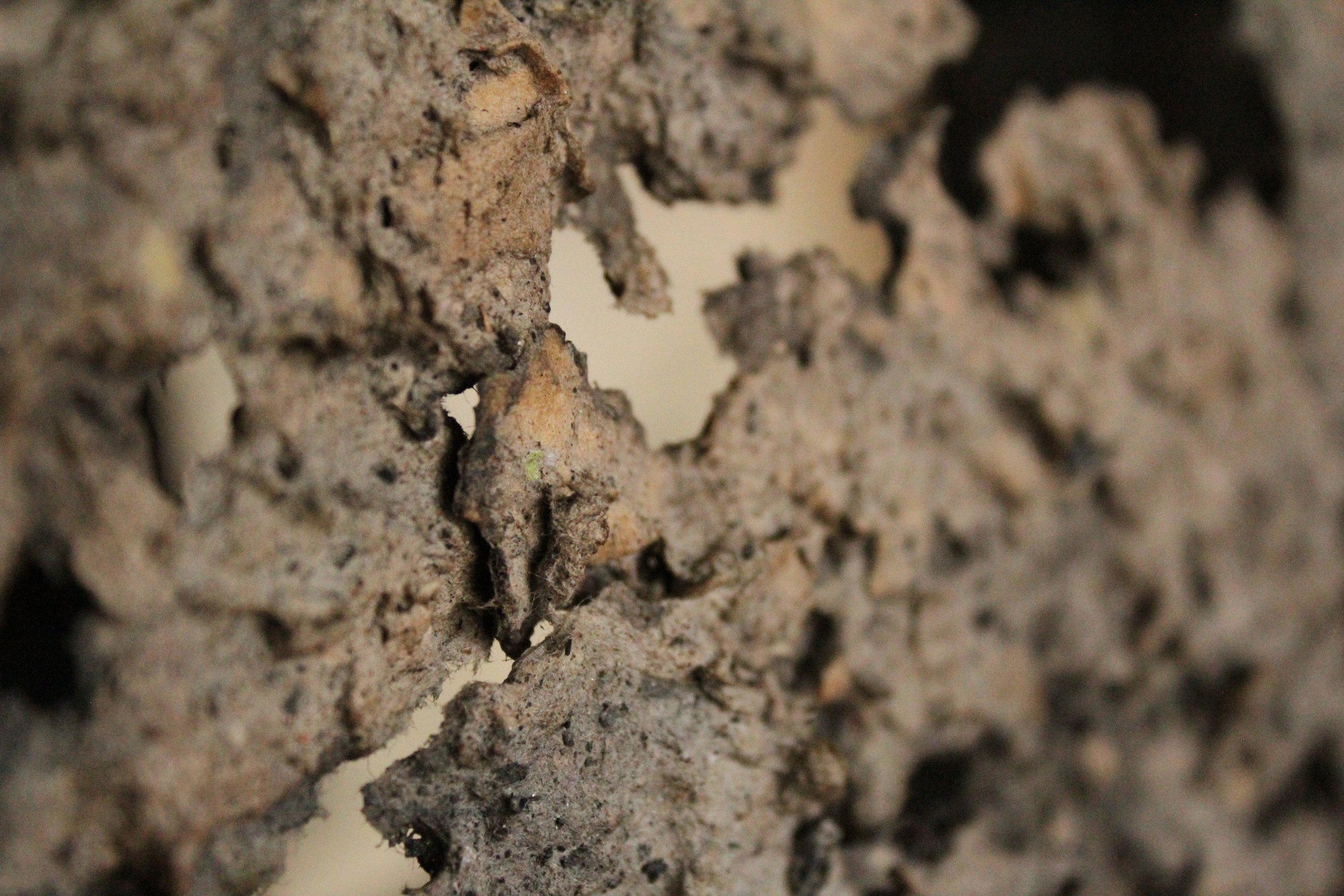
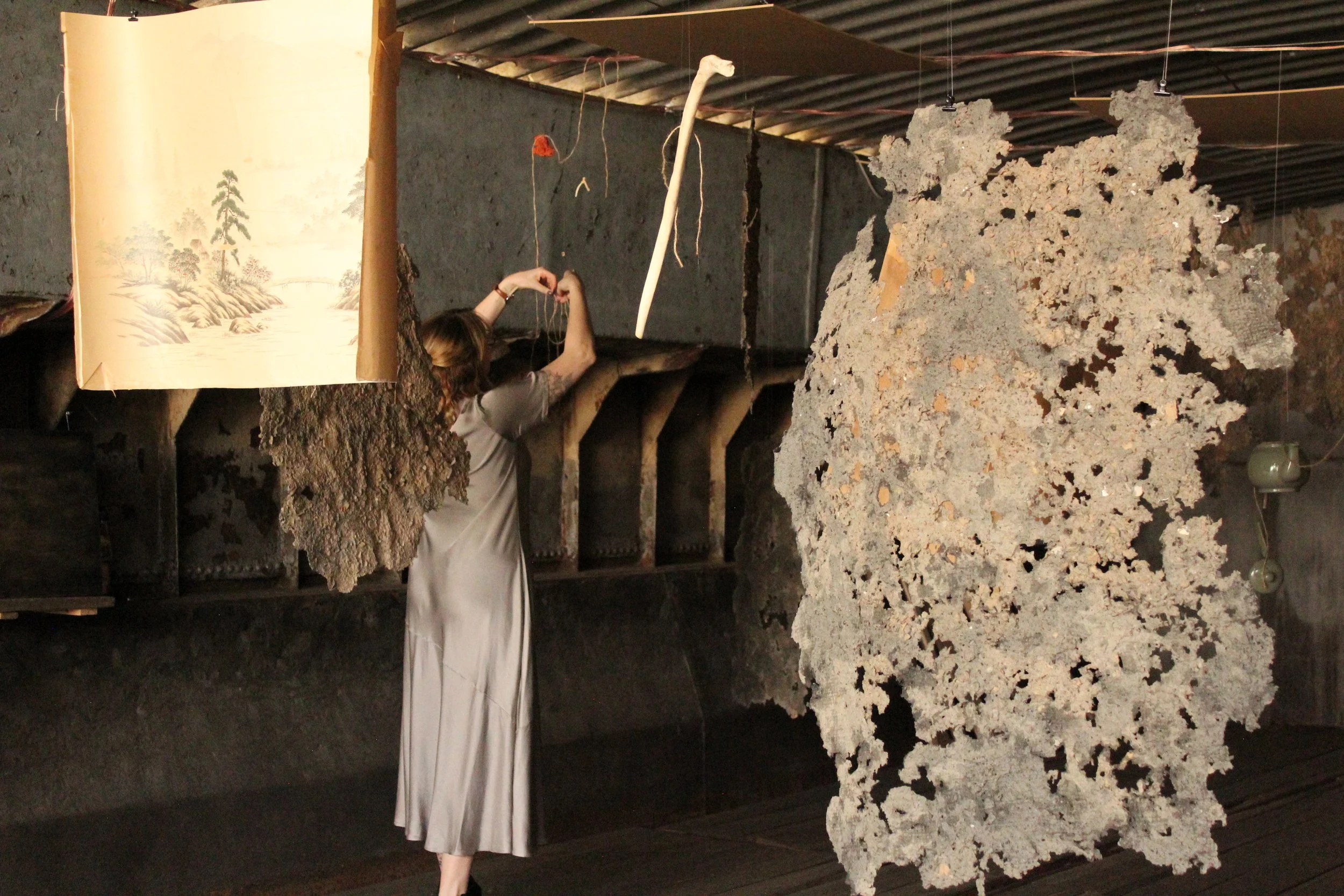
we left the windows open (2026) is a suspended sculpture composed of small fragments of daily life: paper made from ash and cardboard pulp, discarded fusuma, shells, volcanic stones, bits of bone, dried lavender, a honey wand, a singed wooden spoon, a teapot...
Above these floating relics, wooden panels are purposed as resonators, transmitting a moving constellation of wind data streamed live from the Mie mountains of Japan. Field recordings from the residency in 2025 are used to interact with this data. The 2026 Living Somatic residency opens and closes on the same days as this exhibition — its participants there are invited to leave their windows open, letting the breeze flow through, collapsing the distance between us into a shared elemental exchange.
Paper-making research in conversation with Anna Andrejew.
Fusuma paper repurposed from Mikis Tapaswi’s home in Ibusuki, Japan.
(my) urnHelen Hines, with sound by Damián Noguera
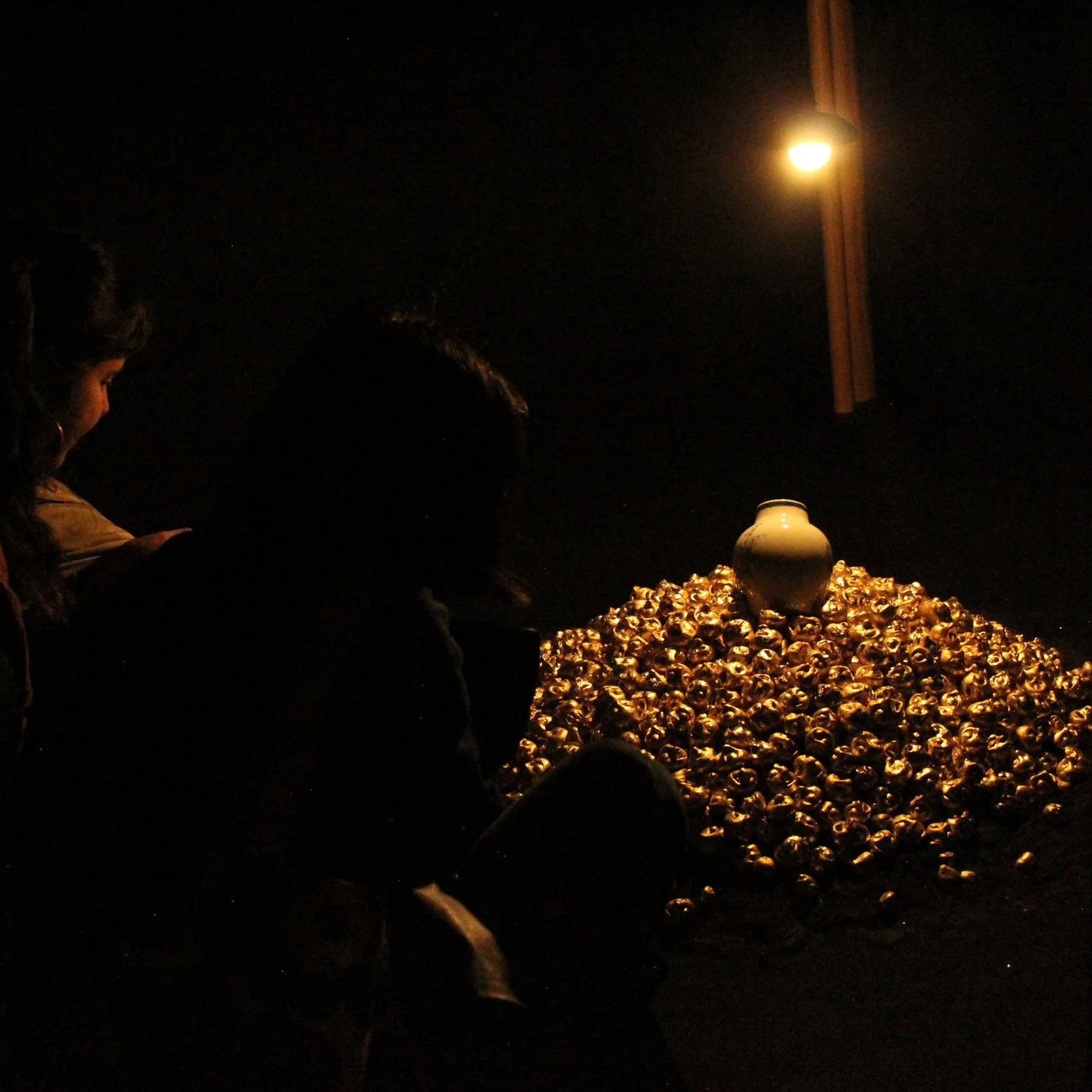
(my) urn (2026) was conceived as a site where the body can be placed back into the world beyond Self, piece by piece — a vessel for returning to matter. When decay becomes something other than what remains: resembling volcanic ash after an eruption, the kind that nourishes soil. Asking, what would it be to embrace grief as a kind of radical fertility?
The urn’s mouth remains open, breathing. Inside, the materials shift through cycles of moisture, fermentation, and decomposition. Mold appears, disappears, and returns in new constellations. Never still, never finished. The vessel rests on a bed of 396 clay faces — crafted, painted, and gilded one-by-one over the course of many month. Together, the urn and its foundation form a micro-ecology of purgatory; a flux suspended in the in-between, tracing the threshold between life and death, like a whisper between the living and what lingers.
Gold gilding and oxidation research in conversation with Carolyn Brann.
poems for the livingHelen Hines, with sound by Vicente Yáñez
poems for the living (20:00, HD, 2025), was filmed in Ibusuki, Japan, inside Mikis Tapaswi’s home under reconstruction. During the March 2025 Somatic Living residency, artists lived and worked inside the unfinished house, where movement arose from the poetry of inhabiting a space still becoming.
The film extends into the nearby forest: bodies settle into leaf litter and damp soil, attuning to roots and decomposition.
The score was simple: to begin with the act of giving. To the house, the land, the forest. Through the body, through presence.
The other films that were shows at the exhibition house is a body, body is a home can be found on the Film page of this site (in the presence of your absence & sōhōkō).
house of ashHelen Hines
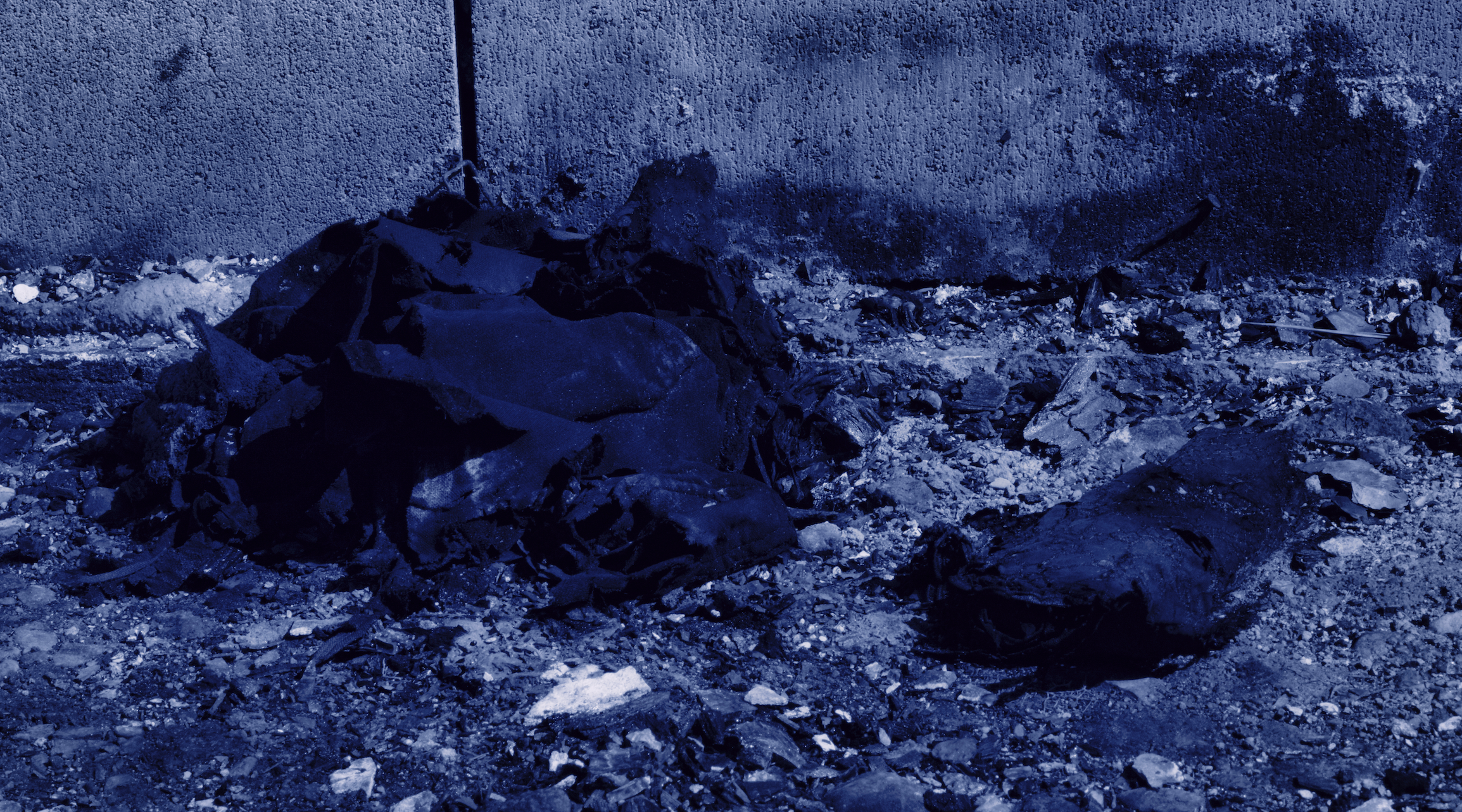
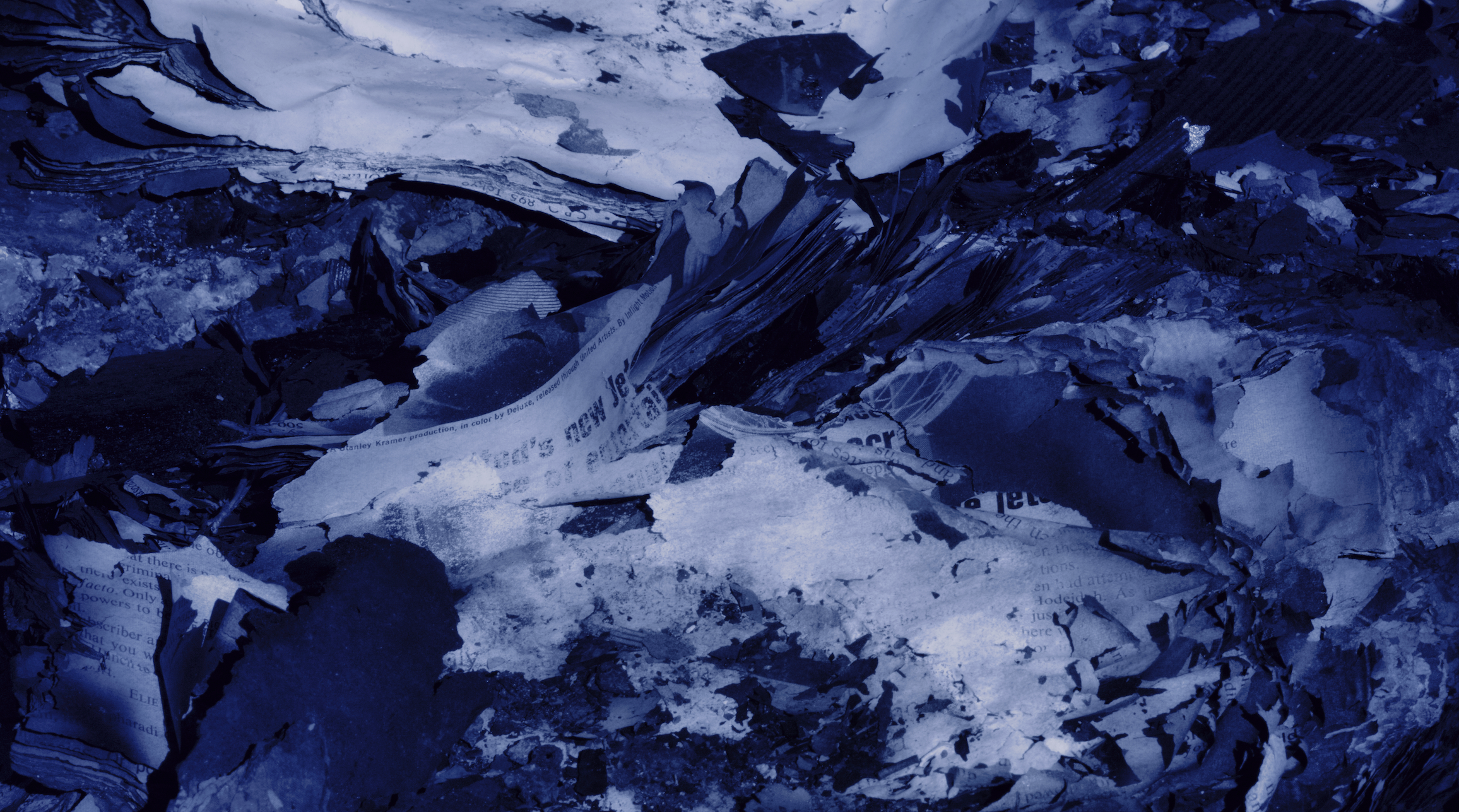
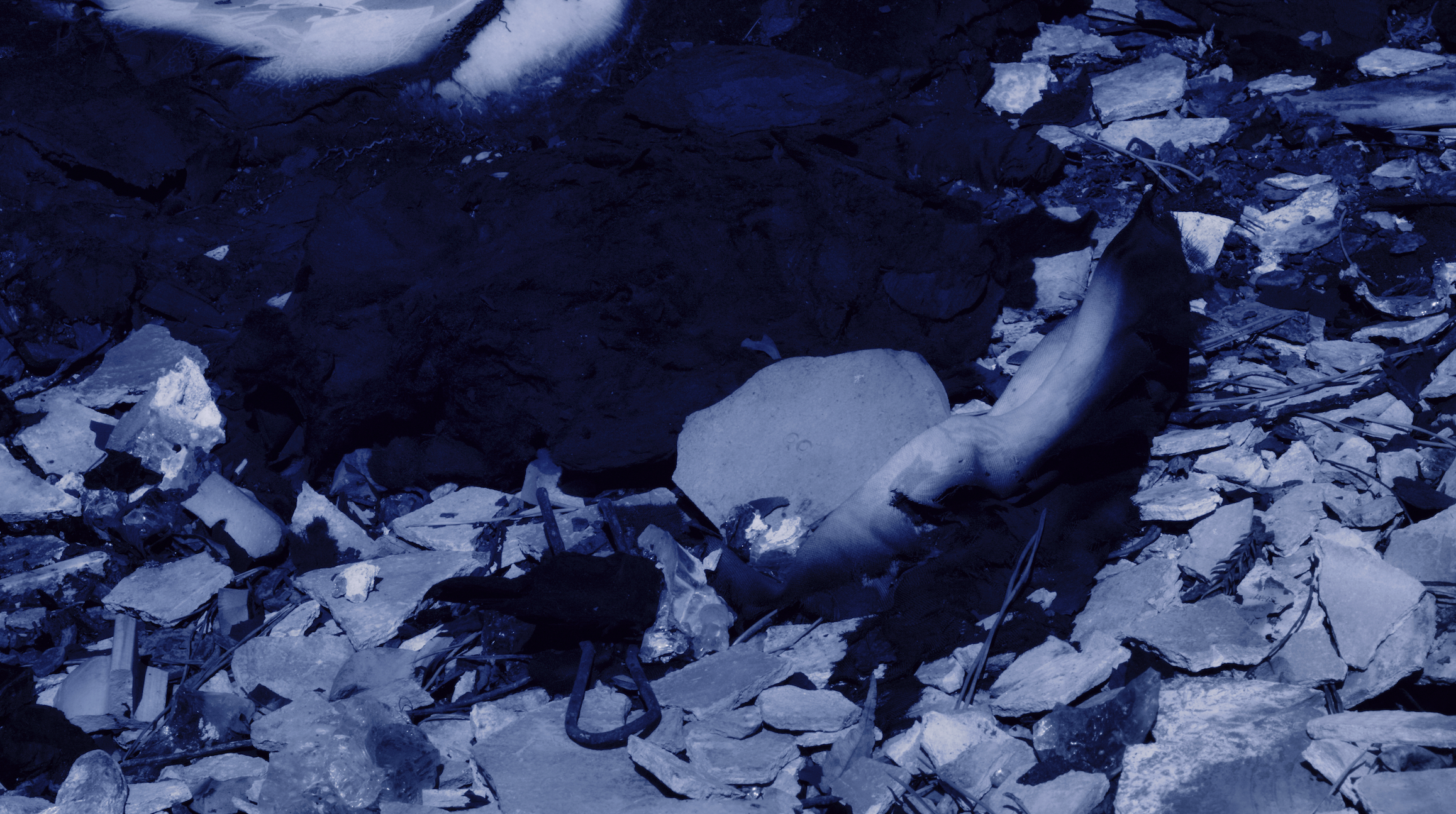
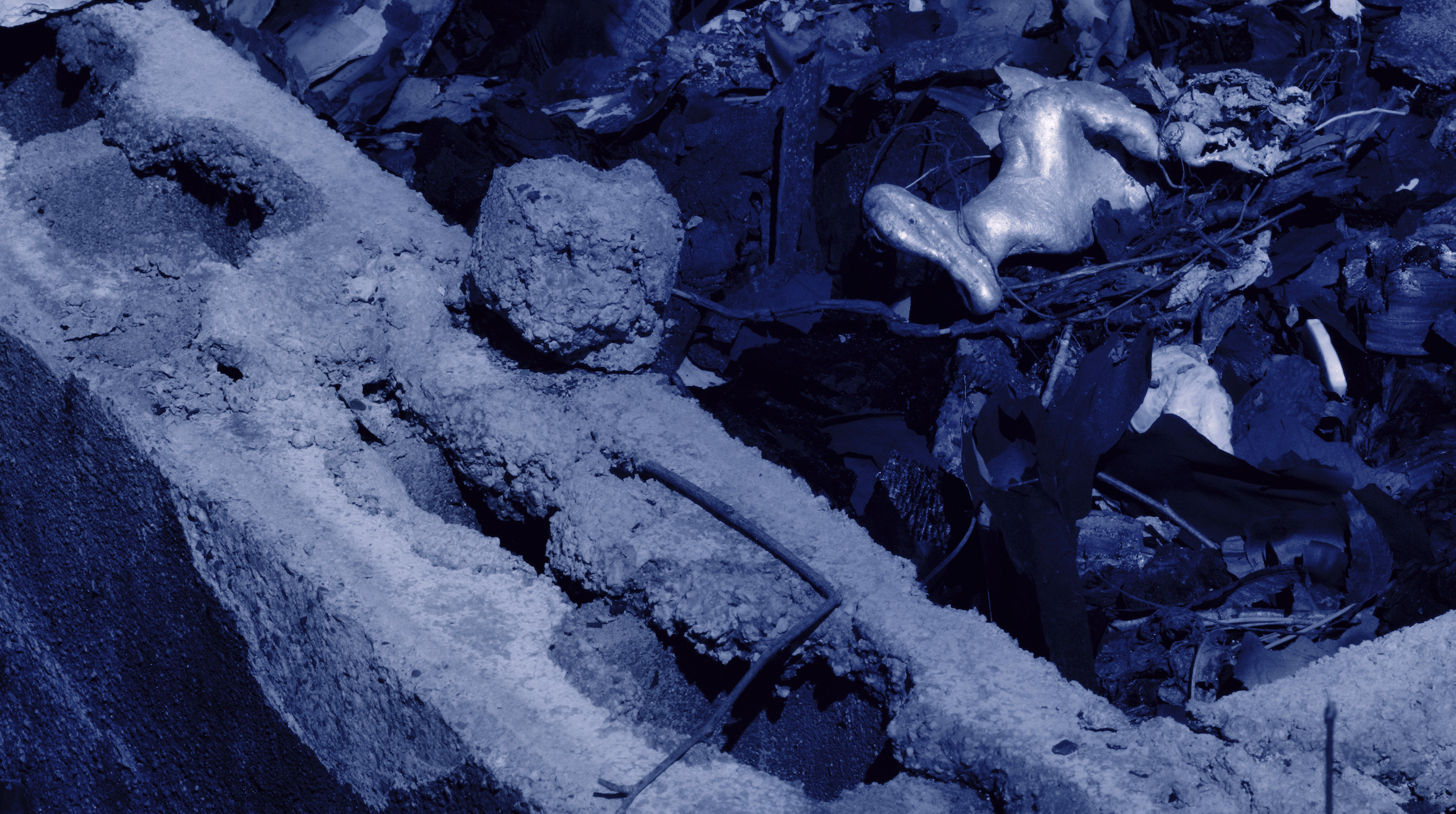
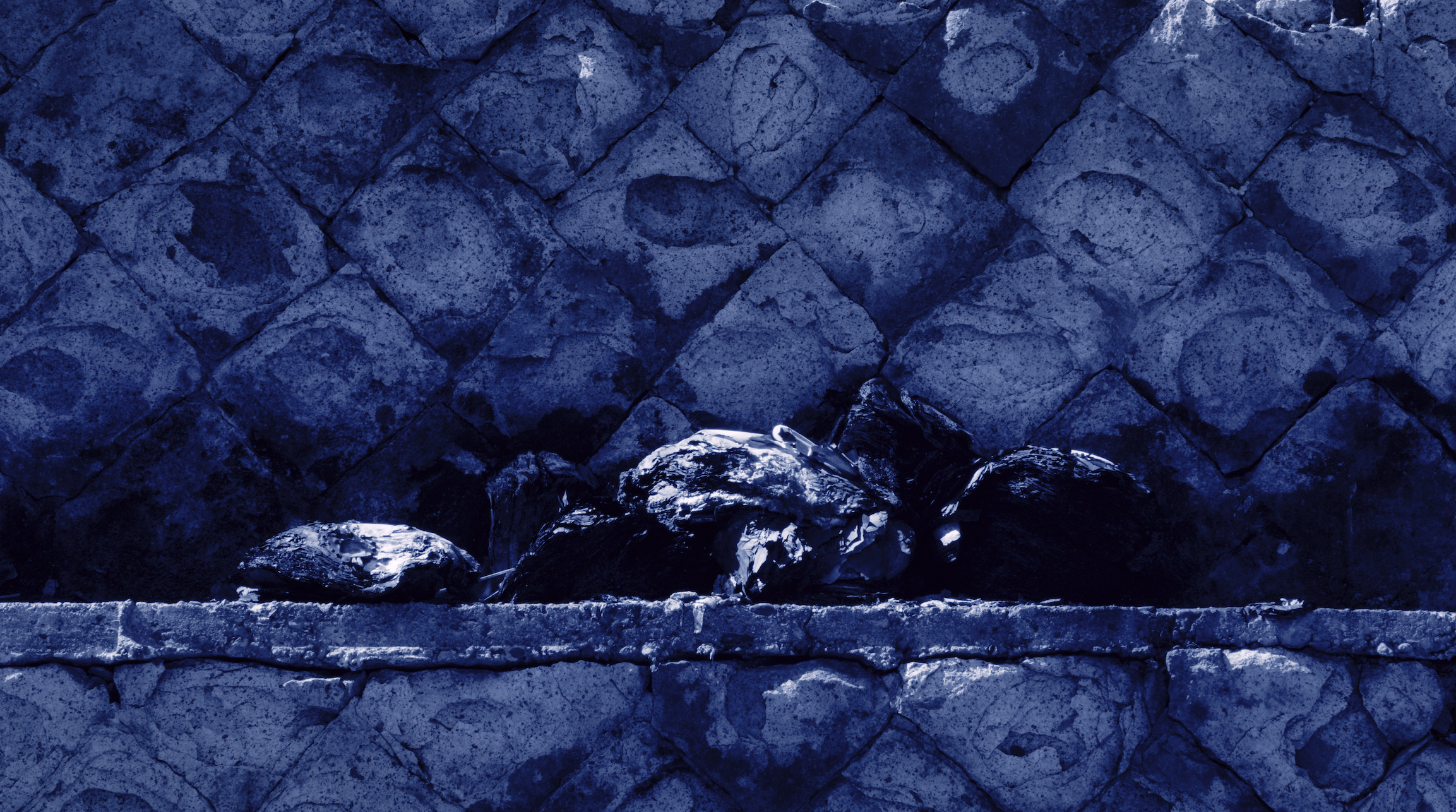
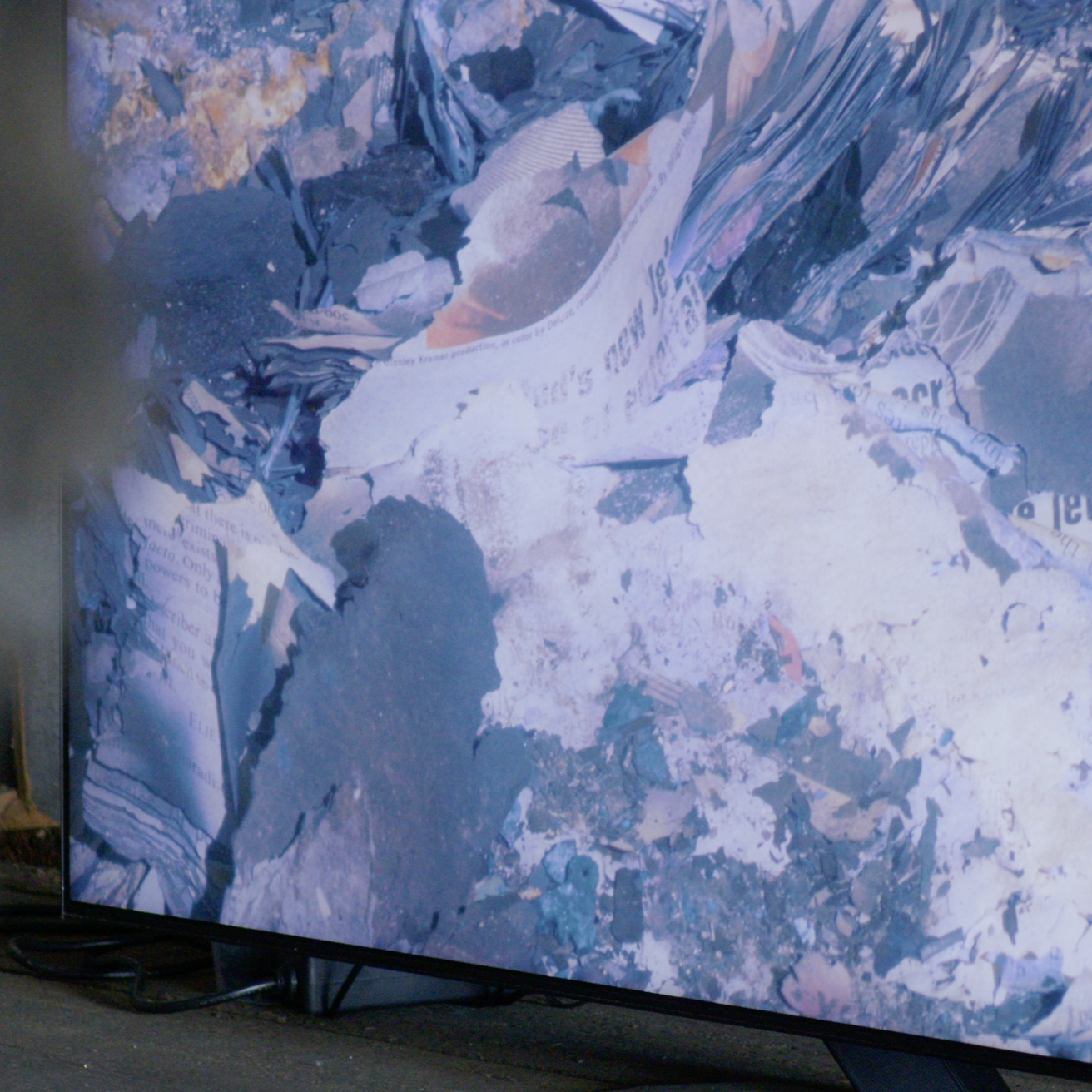
pohouse of ash (30:00, 4K, 2024) was filmed in the days following the death of Hines’s mother. The film unfolds within the remains of a burned home in the Mie mountains, once belonging to a neighbor, artist, and mother. Hines lingers on the ash as it fractures, drifts, settles, and lifts again with the slightest shift of air.
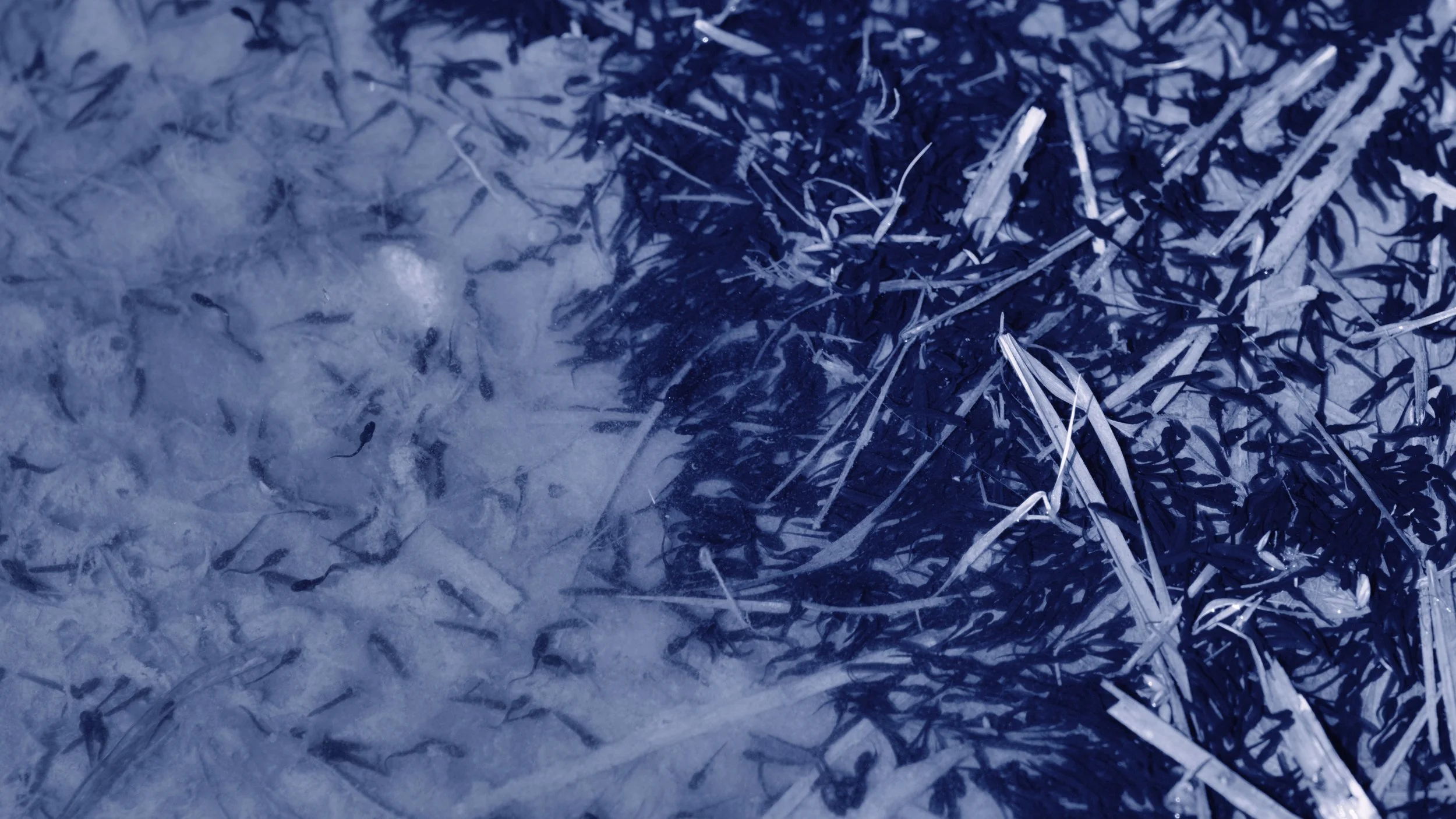
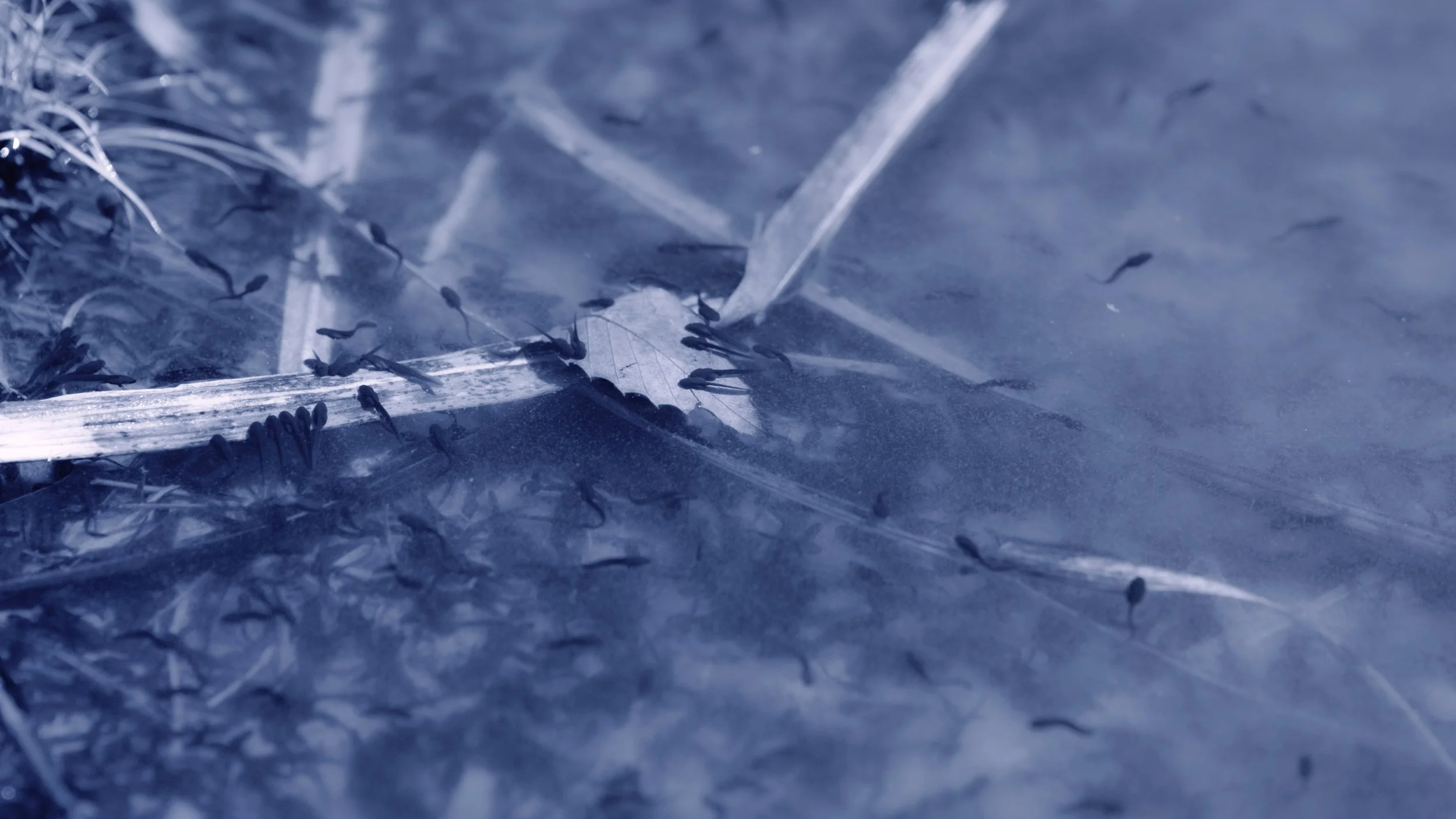
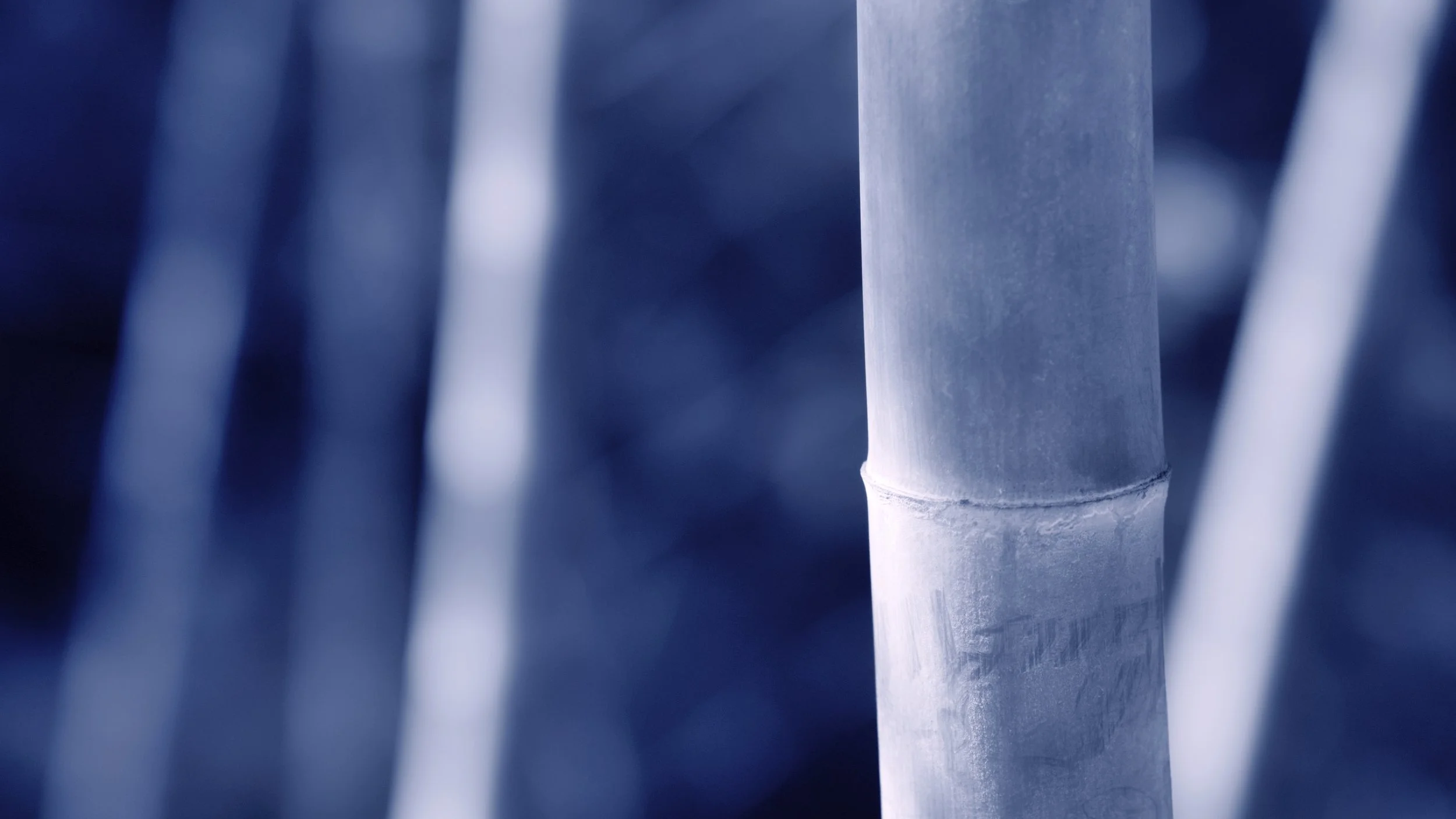
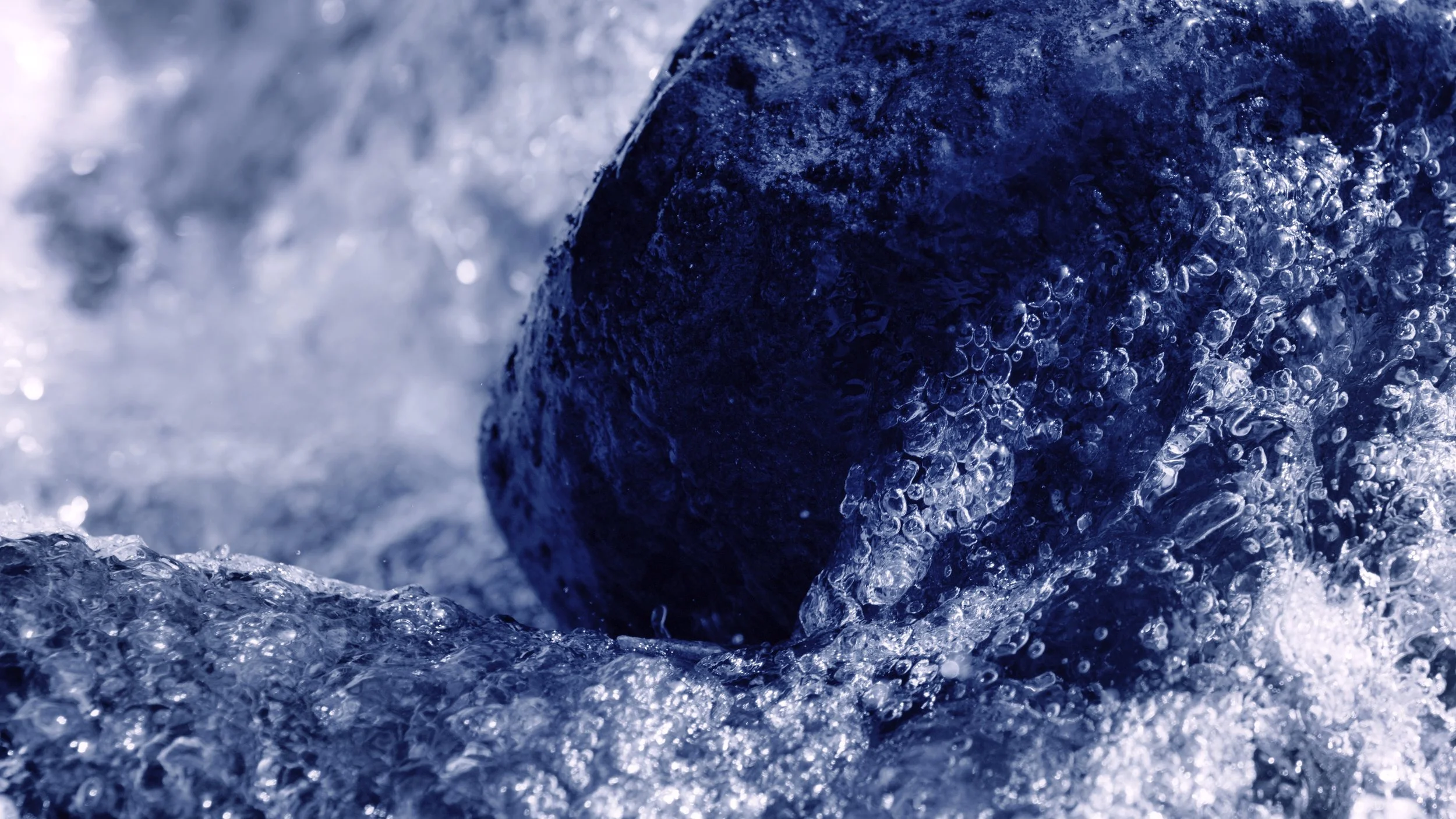
Interwoven with these traces are long, unhurried passages from the surrounding forest: water gliding over stone in quiet gestures; wind threading through bamboo.
The forest is an extension of the house’s afterlife — meeting loss with its own movements of dispersal, rest, and renewal.
In dedication to Noriko and her home in the forest.
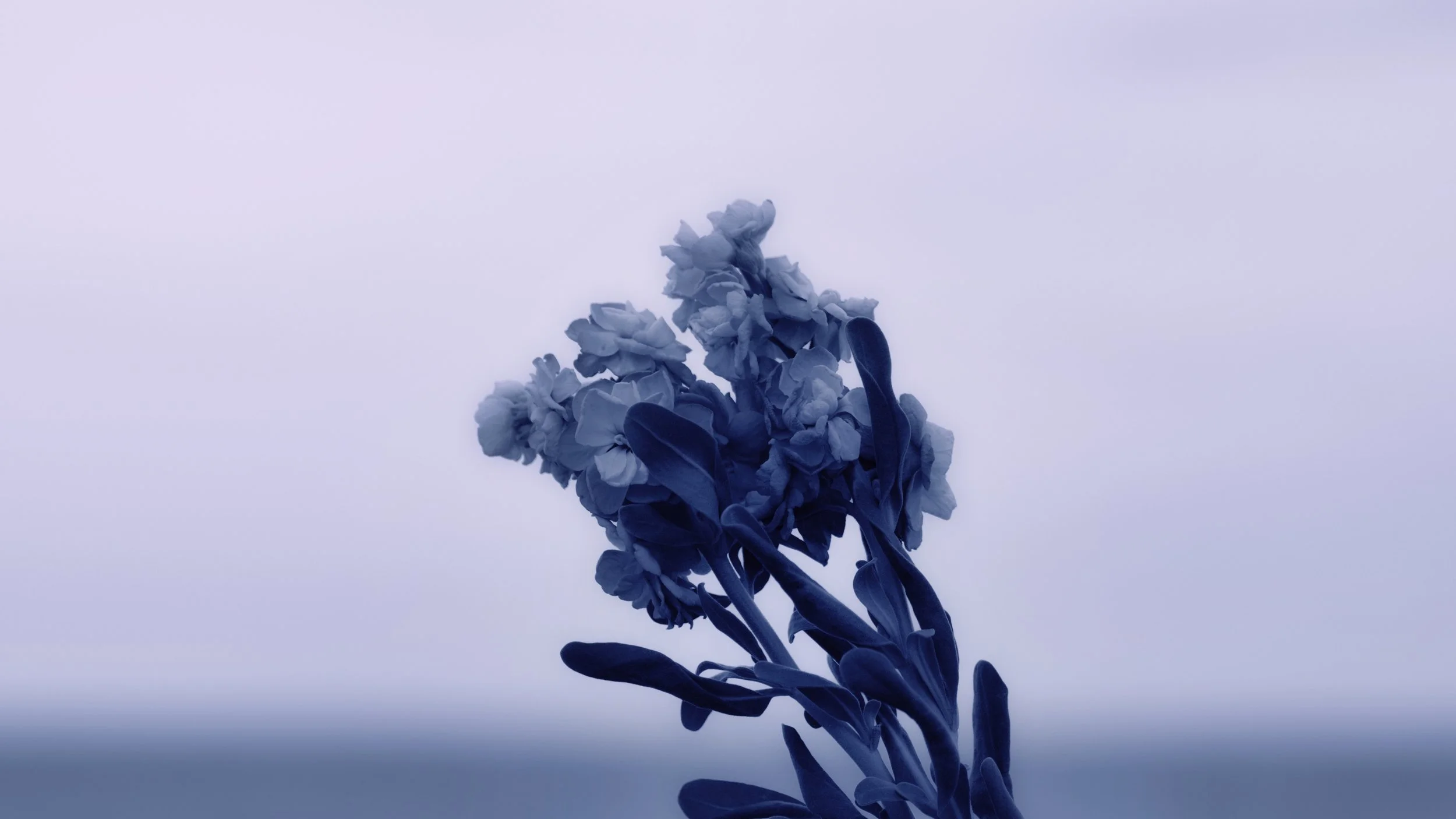
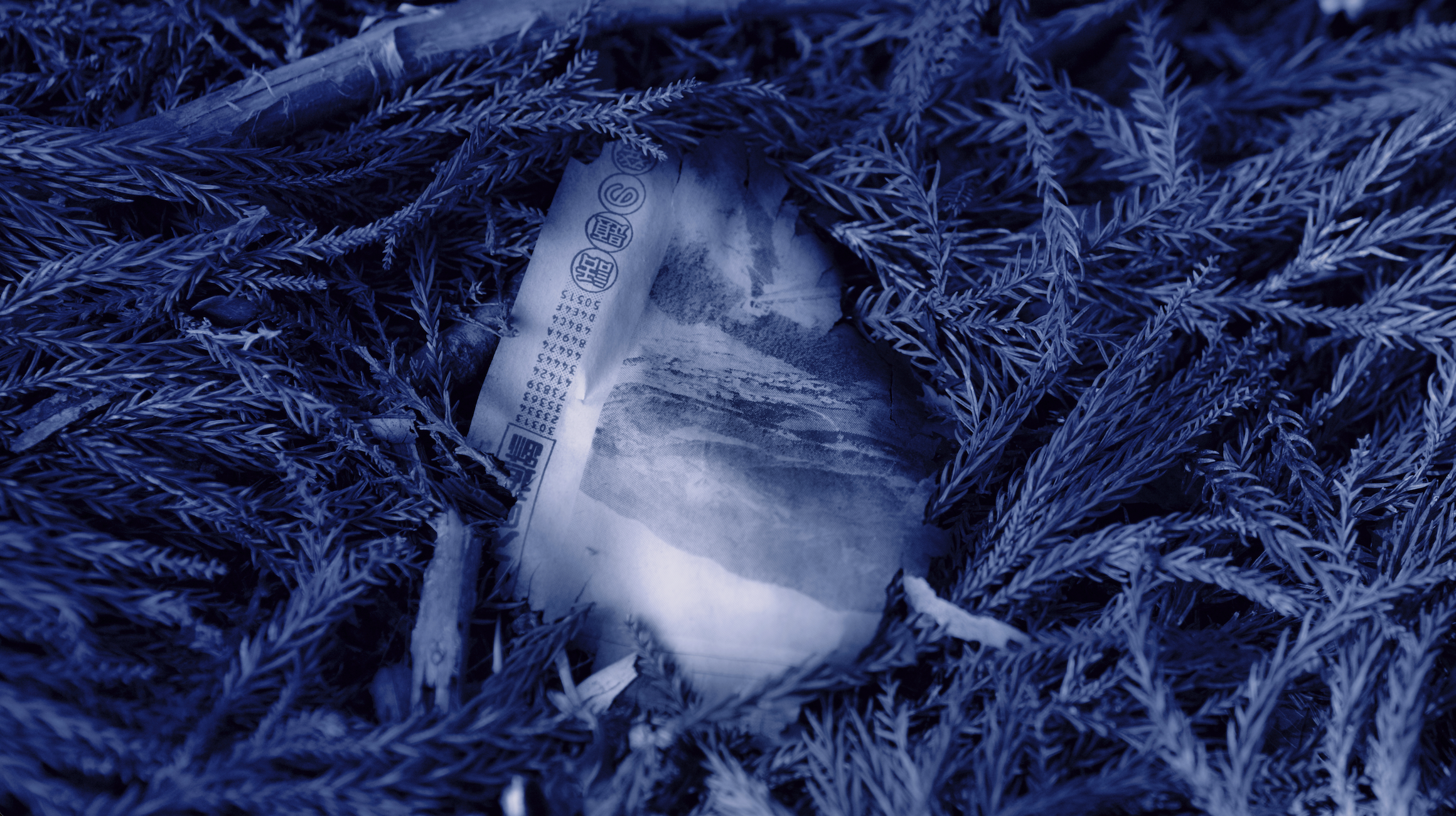
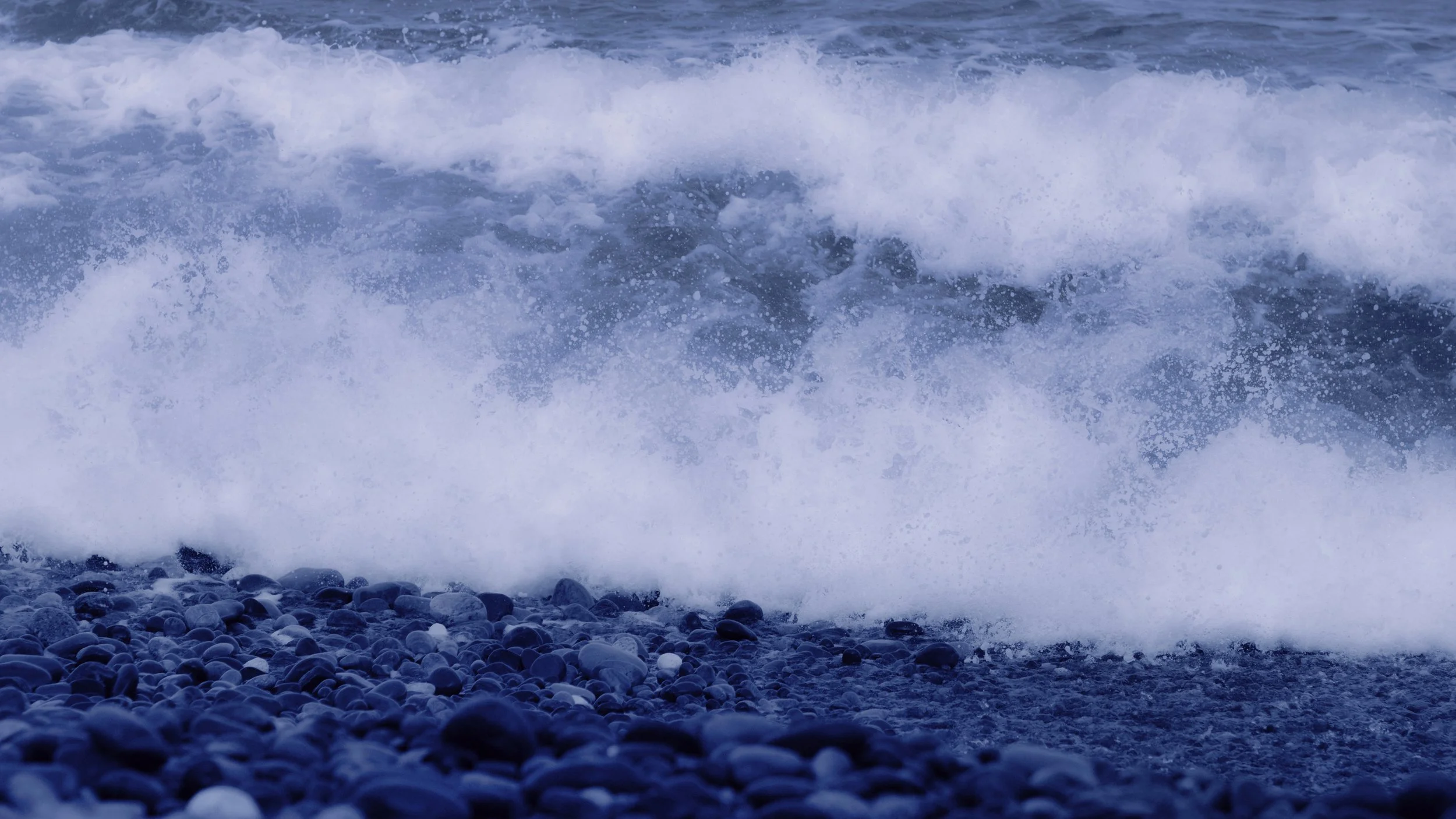
Images from the film house of ash are below. The full film can be accessed per request (helenhines.art@icloud.com).